
May 1
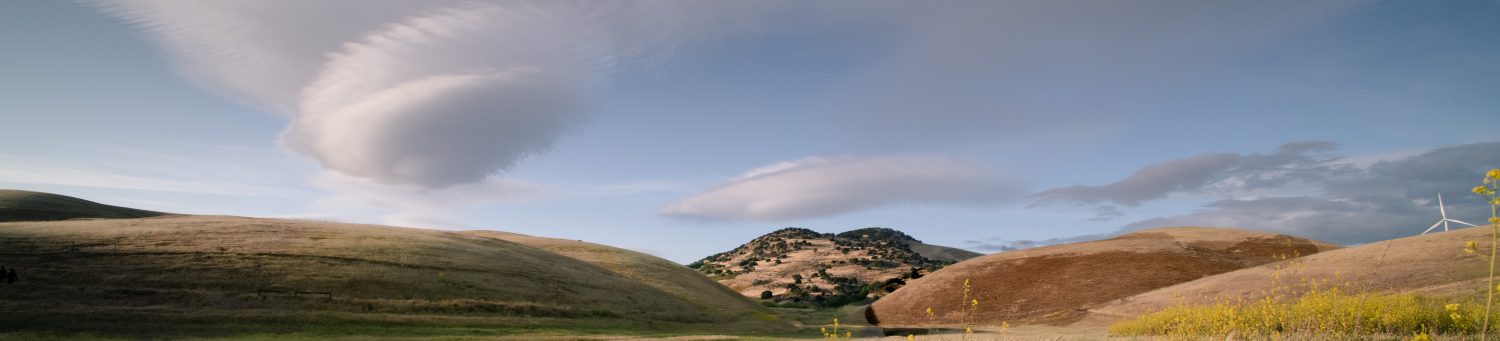
Murrieta slept out here under the stars, like he did everywhere along La Vereda del Monte, driving his horses on a trail that stretched from the Sierras to San Diego, crossing the Diablo Mountains, always the remote path, always the badlands, to discourage any over zealous lawman from trying to make a name for himself, until Harry Love tracked him down for a wage of 150$ a month, until the deed was done, dead or alive, he paid each of his California Rangers, plus a bonus after he cut his head off.
One look at Harry Love, and you know you’re in trouble
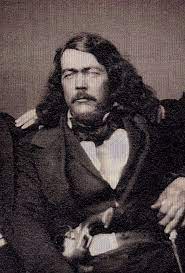
Harry Love, Lawman of the California Rangers
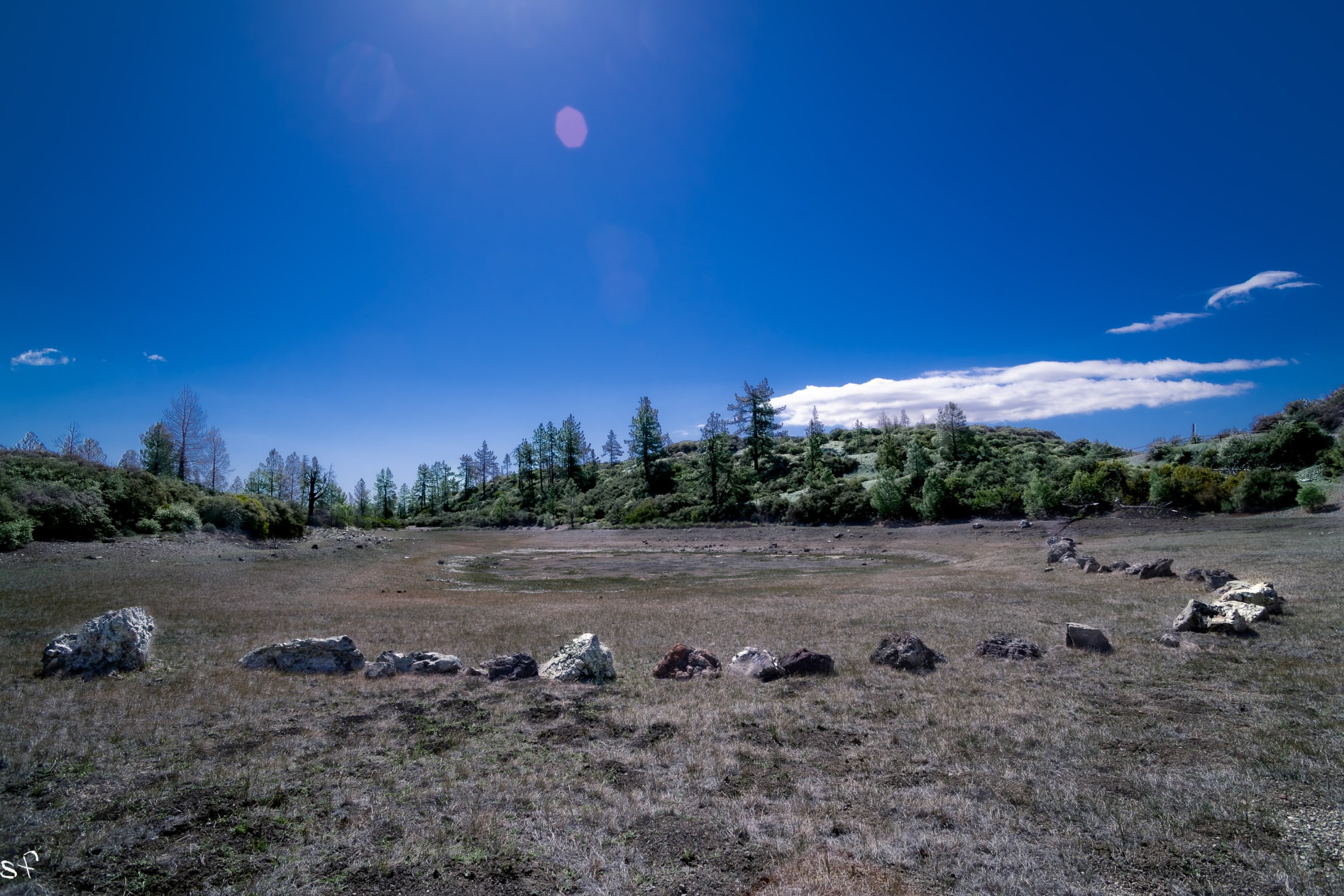
In the middle of July, the month he lost his head, Spanish Lake would have been as dry as a bone, just as it is here, but it does hold water earlier in the year and it is likely that Murrieta named it, just as he named Horse Thief Trail, and Joaquin Rocks, all bear witness. It is not unlikely that Joaquin and his gang went swimming and LaMolinara too, who suddenly didn’t look like a man any more, but instead, the woman of Joaquin, naked, and unashamed, and no one even blunk an eye, for there was honor and respect, and even though Three Fingered Jack was as ugly as one of his beloved horses, she flirted with him, just to show off how big a tease she could be. But her heart was his, at least until she betrayed him. At Spanish Lake I have less than a half-tank of gas, and I’m still no clearer on how far it is to the rocks. Ranger Toms says, just keep going, and then the road ends. “Ends?” I ask him, and he nods an affirmation which seems great at the time, but now I realize I should have asked him a bunch of other questions before driving off. A half a tank will get me back to Coalinga, no worries, my other halfway point pertains to my thesis, which is still formulating, but has something to do with the question of how did Murrieta end up being such a scoundrel? and this is, more than anything, a question of character.
In her book , Lori Wilson discusses this at length citing newspaper editor Manuel Rojas who was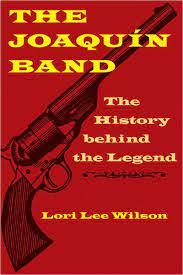 following the story in 1852 and explores the avenger angle – the vengador, which more or less claims that he ruthlessly butchered Anglos to avenge his birthright and the injustice they inflicted upon Mexicans who were the rightful heirs to the land.Did he have an altruistic motive? something more in line with a conspiracy to assassinate General Joshua Bean? – it is staged, like Shakespeare, with the maromas, and the drunken corrupt political official, and Joaquin, and his lover’s testimony, and then there are the slogans, and the five Joaquins, like something out of Sparticus, with all of the gang captured and each one of them claiming ‘I am Joaquin’ There are a few accounts in the press that speak to this, one, I have already mentioned, was Ana Benitez, in her testimony at the murder trial of Bean, which resulted in Reyes Feliz getting strung up, and the other is an editorial by Rojas, who claims that the reason Murrieta was so famous, even in his day was:
“…because he had a remarkable talent for losing his pursuers, because he could manage horses with remarkable skill and because he was utterly indifferent to the fate he knew awaited him. He was also a dangerous pistolero. And he had a way with people, including American Anglos. He could win people over when it suited his purposes. Californio rancheros hosted him, youths admired him, and many of the Americans who met him dismissed him as harmless. He did not look intimidating to them” – Wilson
So the question I have is: was this all a ruse, a mercurial Joaquin who could shift his persona just to manipulate people, or did it speak to his character? Did other Californios share his hatred for the Yankee but did not have the courage to carry out a revenge? was this a form of justice, vicariously experienced through Murrieta, a social vigilante, aka: Robin of Locksley? And what of this attraction by the youth? General Vallejo, who knew of Murrieta, and Antonio Colonel, twenty years after Murrieta’s death, comments on this as well, in his account of California days, in a letter to Bancroft – Cosas de California (1880’s)
What seems certain is Murrieta had a charisma, something like a rock star. There are echos, even in Harry Love’s account, of guilt or shame, as if he were plagued later in life by the event that made him famous, and he realized later in life, that he’d tracked down and murdered a person of rare talent, who had character and courage, and was too young to die.
I’m going to stop at the lake for a rest, not a swim, alas, like I was hoping, but maybe I can find a clue as to what I am looking for, maybe at the bottom of a dry lake a gold coin some vaquero tossed in for luck, or maybe just get another photograph.
 imagicos