
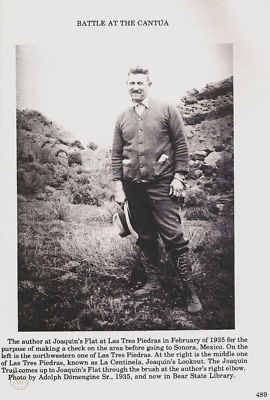
Frank Latta, fascinated by the tale, spent much of his adult life researching, chronicling, writing letters of inquiry, field interviewing, he was as much an anthropologist as he was a historian. He travels to Murrieta’s place of birth in Sonora, interviews 3rd generation relations, examines church records, birth certificates, gravestones, talking to anyone who might have some memory. Of course everyone does, which is not a strong argument to the veracity of all the accounts, combined with his own enthusiasm, which is that of a romantic, does raise an eye and his critics are quick to point this out, however, and I cannot over state this, Latta is determined, more than any other scholar to get to the essence of the myth a motivation that has driven historians since the time of Odysseus Even a cursory glance at Latta’s sprawling tomb and one can see there’s more than enough that’s irrefutable to make it a blistering human saga, at the least it’s enough to hang your spurs on. I understand Latta’s obsession, I too am a romantic, but I also understand his need to verify the story, for the gravity of such a tale is magnified tenfold if it be true. And most of it is, even the popular accounts have a ring to them. In one, the cousin of a cousin’s great grandmother says she heard the story of how Rosa, Murrieta’s childhood sweetheart, left with him to the gold fields of California. Following a letter, sent by Jesus Carrillo, Joaquin’s half brother, who had staked a claim and begun pulling gold from the Stanislaus, to come and join him. Before he left, Murrieta stopped by his Rosa’s pueblo, as she was just returning from fetching water from the well. Murrieta told her of his plans to join his brother in the Sierra’s of Alta California, the journey was a long and difficult one Murrieta told her, “but if you want to come, I’m leaving in the morning.” Rosa pulled the 2 leather water buckets off the family donkey, looked at Murrieta, and said, “Why wait until morning”
The next day they set out on the 800 mile trek. Who knows if the scene played out exactly that way, but that’s how the descendants of Rosa Feliz tell it to Latta, a 120 years later. And it has the makings of a myth. The fact is, his half brother did send a letter, and Rosa was 15, and they rode all the way from Sonora along a trail established by Anza, 75 years earlier. They ended up at Niles Canyon, south of San Francisco, and bought a little ranch. All of this is documented in Latta’s book. The most amazing theory presented by Latta is, Murrieta wasn’t killed by Captain Love, and the head in the jar wasn’t his. This blows everything up in the breech, and so like all good mythologies, puts more spin on the yarn. One fact, and I will revisit this theme later, is that Murrieta was light skinned, blond haired, and blue eyed, and ‘could speak English so well he could pass for an American, even an Englishman. The famous head in a jar, the one destroyed in the fires after the San Francisco earthquake; the head that Captain Harry Love took as bounty, was brown haired, dark eyed, and dark skinned. Anyone who has carefully viewed the Zapruder tapes knows there was more than one gunman, eyes don’t deceive,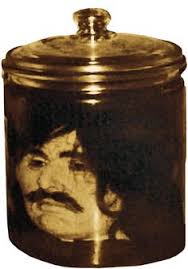 even if chopping off his head with a Bowie knife got a little nasty, it wouldn’t change the color of his hair.
.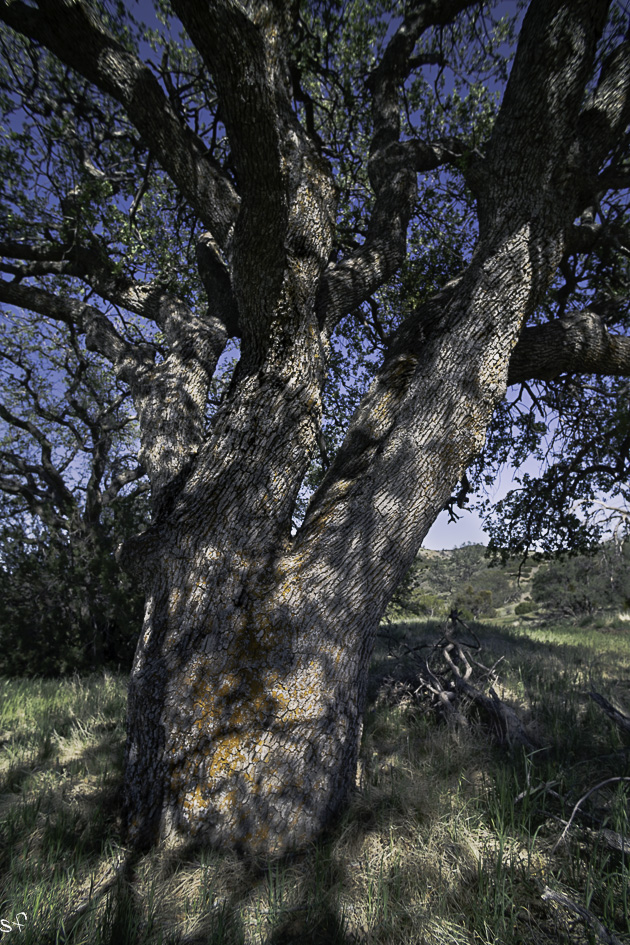
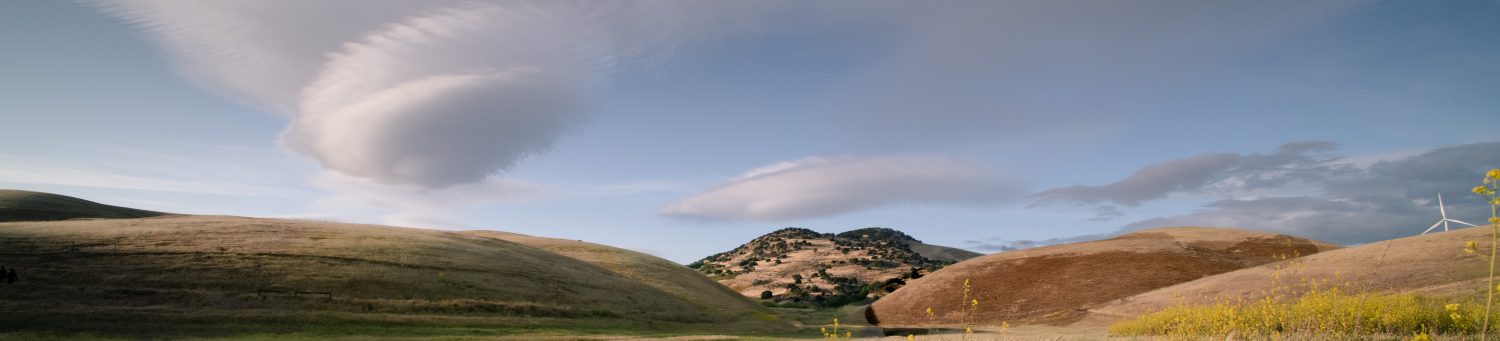
There are many other incongruities, particularly about Los Tres Piedras – The place where I am headed – Joaquin Rocks, his hideout, at the foot of the San Benito mountain range, where he spent his last night alive, or did he? We will be exploring such questions in some detail coming up, but first I have to get there. I’m dallying, the sun is at my back, it’s a mellow evening, lingering warm, and yellow, and I feel like my body is expanding outward in a full embrace of this mountain path. I am in that twilight place, mainly because I haven’t sleep much, but oddly, I’m not tried at all, and just over the next rise, I’m sure of it, can’t be more than an hour or two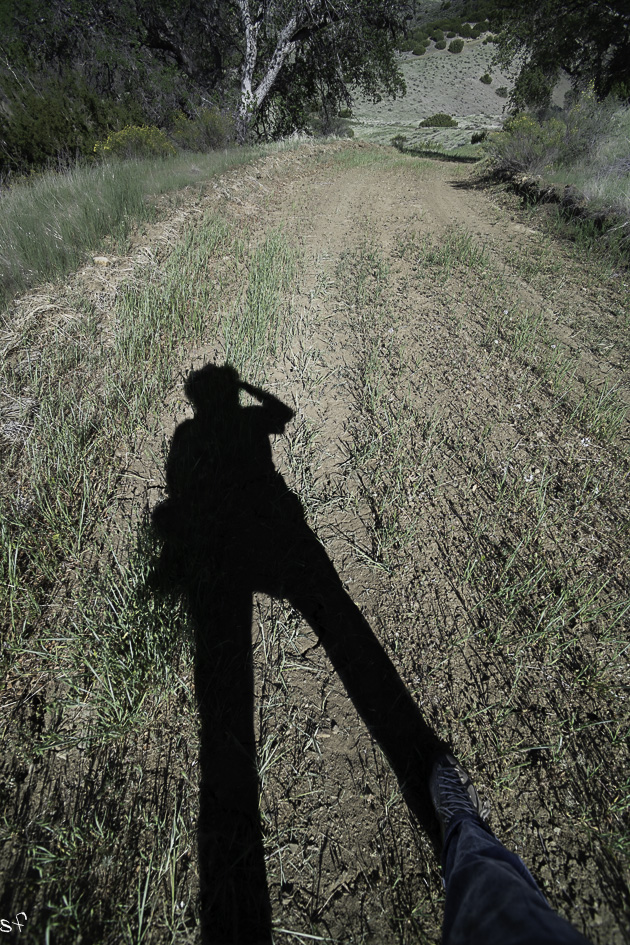
.
 imagicos