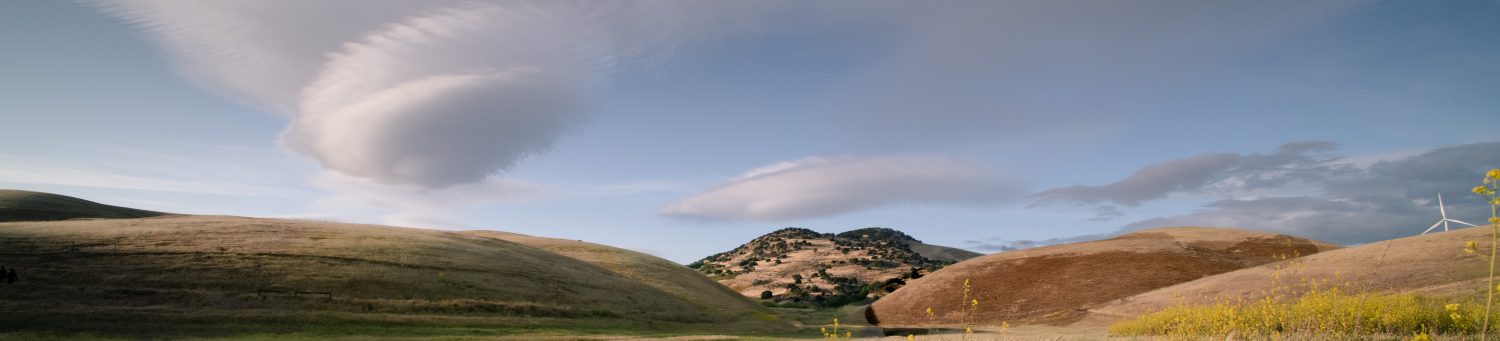

Along the train tracks just outside of Niles you come to the old brick factory, where a hundred years ago the kilns churned out a half a million bricks a month stacking pallets loaded onto railway cars rebuilding the chimneys of San Francisco estates and blast furnaces all over Oakland, after the great earthquake. Fifty years before that, Vallejo owned a flour mill along Alameda Creek, just up the road from where I’m walking. To power his mill, he laid in an aqueduct and siphoned off the swift moving current keeping his 30 foot mill wheel in motion, grinding out flour used to bake bread from Stockton to Los Angeles. I’m on a quest to find the pilings of history, or the ranch house that Murrieta lived in, or at least the fabled ‘Secret Sidewalk’, whichever comes first.
It was the goldminers who flocked up the mountain road in droves and were willing to pay an exorbitant fee for sundries of all sorts, and the course flour the elder Vallejo brother offered was a fair business. In a way, Vallejo Mills, the name of the town, before it became Niles, is in the middle of this tale. I say, in a way, because it is a junction that strikes at the heart, water. Climbing east to the ridge at Sunol Peak, falling 2,000 feet down the Alameda, I can hear it, raging just a hundred yards away, just as Fages heard it three hundred years ago mapping a trail for Anza and offering beads of glass to the native peoples for any information about a moving body of water like this one, pointing to the creek, but much bigger, extending his arms as wide as he could, that snaked behind the great mountain and disappeared into the plains to where the sun rose. Then I come to a causeway between the trees and can see a glint through the scrub. I stop and listen and consider its source. Run off cutting into the canyon as it does along the entire range, standing its course, the creeks, the springs, the arroyos churning through the devil’s mountains; the mountains where Murrieta made his home. To the left and down the valley, nestled between the creek and the canyon, a two bedroom adobe ranch house, several corrals, a few chickens and milk cow. The old brick factory was the location, this much was certain. More sources than just Latta agree on this. The kilns and any remains other than archaeological no longer exist, and of course Joaquin’s ranch house is dust by now, blown into the alluvial wash and carried to the San Francisco bay, or maybe scooped up with the rich clay deposits and turned into a brick. But it was in this valley, that much is certain. That is if you believe Sheriff Broder and his wife, neighbors, and the Sheriff of Alameda County, who attest to knowing Joaquin, Rosa, and his brothers. He knew their story by personal account, and I can’t think of a good reason why a sheriff would lie, not one as forthright as Sheriff Bob Broder. Dragged through a field at Mokelumne Hill, one by one, at the wrong end of a reatta, death came slowly, Broder acknowledges, but he defends Murrieta’s honor and the deeds that took place at Los Muertos. ‘Every one of those miners who abused Rosa got what was coming.’
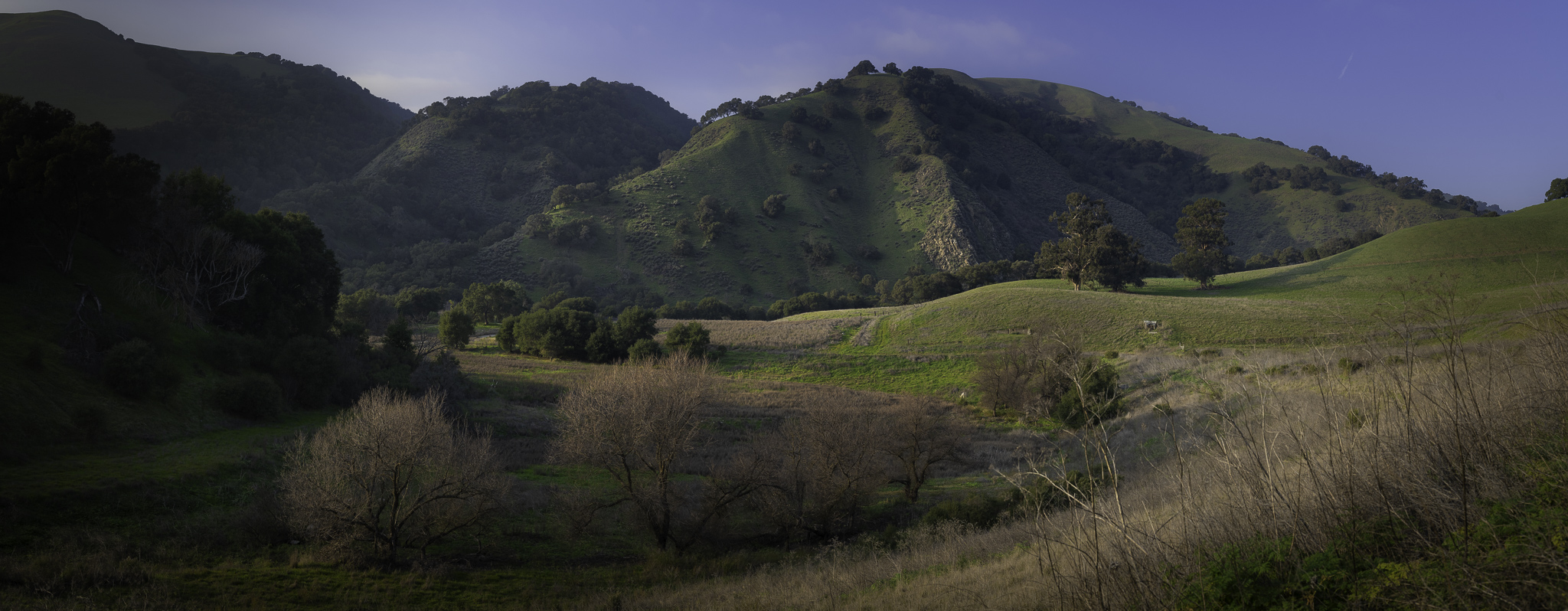
It’s pure speculation as to where in this photo Murrieta’s house was. Tucked somewhere up the steep canyon walls along the Alameda, Latta claims he leased the land from Jesus Vallejo, the elder brother of the better known General Vallejo, who was granted the land when Mexico succeeded, for service to the King of Spain and just as true as any history is, Murrieta made a home along Alameda Creek and Rosa lived there, cared for by her younger brother Jesus Feliz, who was too young to ride on the droves but like all Murrieta men was an expert horseman and worked as a courier like a pony express rider, carrying correspondence to wherever Murrieta might be on the trail. Much of the time he took care of his sister. This alone is indicative of the impact of the abuse she suffered at Mokelumne. Jesus Feliz, like water, is a lynch pin in this tale. Here, somewhere across the vale was a respite from the horse droves, the adventuring to Marysville, the thieving along the gold trails above Stockton, the gambling in Hornitos. Here, I imagine, he hung out playing guitars, sitting by the smoke wood fire with his family, a band of fugitives, making plans for an extensive enterprise. While the coyotes howled into the frigid mornings along Alameda Creek, they’d plan and organize, some of the more complex details of any business venture: how to migrate 300 mustang, 800 miles, to Sonora, Mexico. The proposition, well beyond the realm of an ordinary business calling, even in times as tumultuous as the California Gold Rush, reflect the unique genius of Joaquin Murrieta.
I walk a little farther down the tracks getting a good stride on from tie to tie. The Western Pacific started grading it in 1862, nearly ten years after his death. It was the final link to the First Transcontinental Railroad and when I look down the tracks in both directions I wonder if the train is still running.
 imagicos