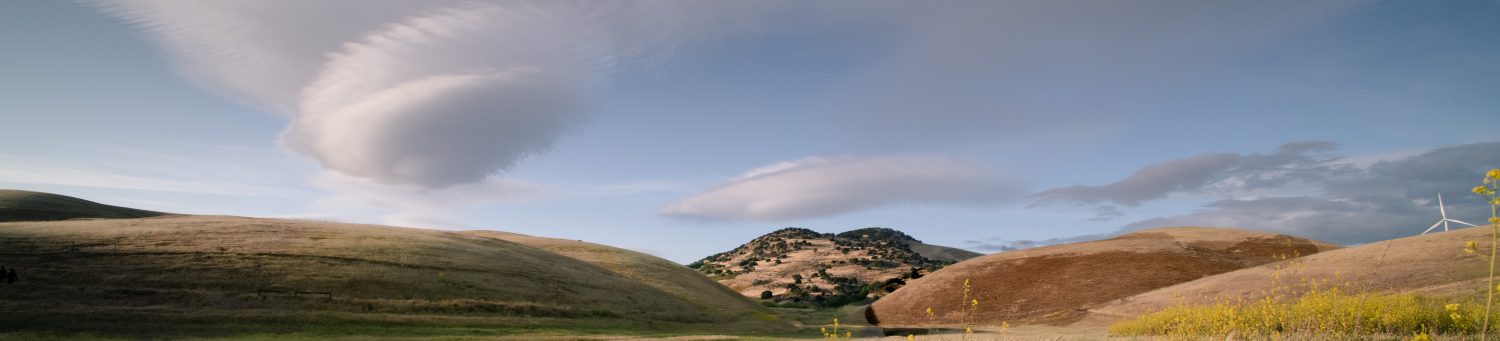

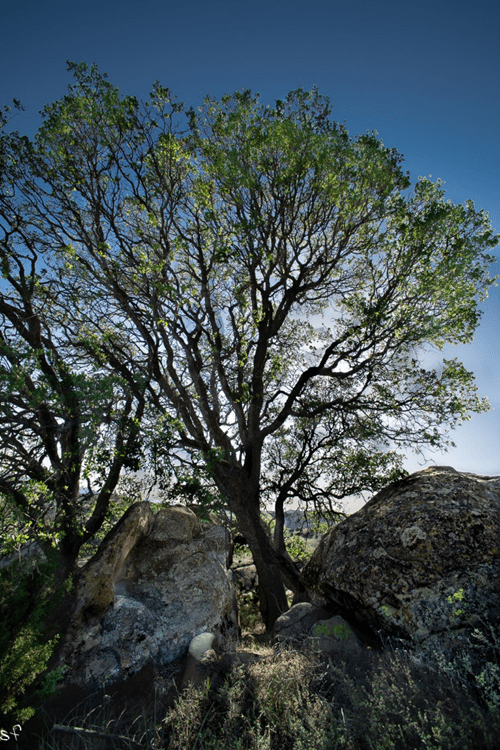
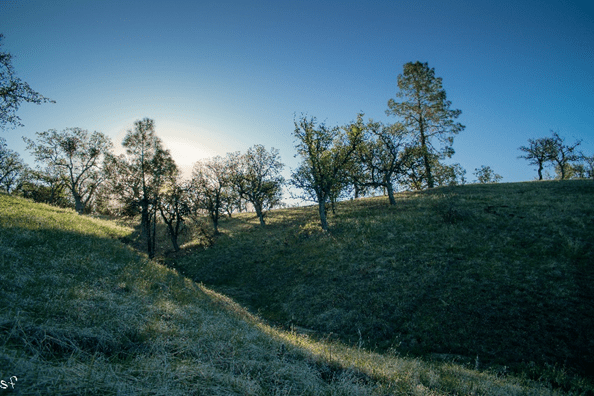
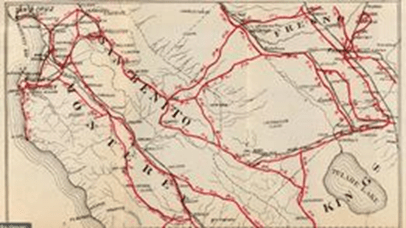
The running of wild horses began before Murrieta’s time, when California was still part of Mexico and the culture of the vaquero reached a level of horsemanship only paralleled by the bowmen of Genghis Khan, or the Nez Perce of Chief Joseph. It is indigenous in the same way I am indigenous, and part of the culture that roams through these mountains, like I’m roaming, on my way out to Joaquin Rocks and I find myself slipping in time and a hundred years ago is much the same as it is now, even some of the trails, were the same, give or take. the one over my shoulder, not much different than the trail Joaquin rode over and even before him, every September, after the round-up at Kellog Creek, the horse gangs, would drive herds of wild mustangs south. When Murrieta arrived in California, he started working rounding up mustang, roping and branding, the most beautiful horses he’d ever seen, making them ready for the drive. The California horse could rake in 150 dollars in Sonora, Money could be made, and money and horses were tied to his destiny. He was born in Sonora. By Murrieta’s time, the droves were well organized, with holding stations, called Estaciones marking the trail every 30 miles or so, running through the backbone of the Diablo Range, into the San Joaquin Valley, and over the Tejon Pass. These stations were necessary for several reasons, to keep the herds from perishing, to thin them of unwanted stock, and to acquire new horses as the drove traveled south. Tres Dedos -AKA: Three Fingered Jack, was the crew chief at the Estacion at Cantua Creek and had a gang of his own. Collecting stock from the Tulare Lake area, he bought from local vaqueros, some wild caught, others rustled, adding to the drove to keep the number as close to 300 as they could. This number had been reached over the years and was adhered to professionally – fewer than 300 was not profitable, and more was unmanageable. A drove of 300 horses would start out at 50 or 60 head, picking up stock along with other vaqueros, as it moved south from station to station, always thinning the herd of both the weaker horses and the strong willed ones, often Stallions, too spirited to be herded, These horses were the most problematic, as they were the highest in caliber, yet would lead the others astray and disband the herd. The leaning was done on the move and the unfortunates butchered along the trail. In retrospect, this is seen as quite cruel, but was necessary to keep the herd intact and moving at an able clip. By the time the drove had reached the Tulare Lake region, before the haul over the Tejon, the herd was to stabilize to as close to 300 as possible. Latta insists that the entire operation was run like a business, with employees, timetables, and technique.
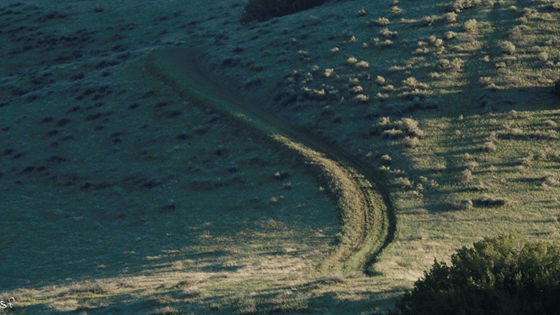
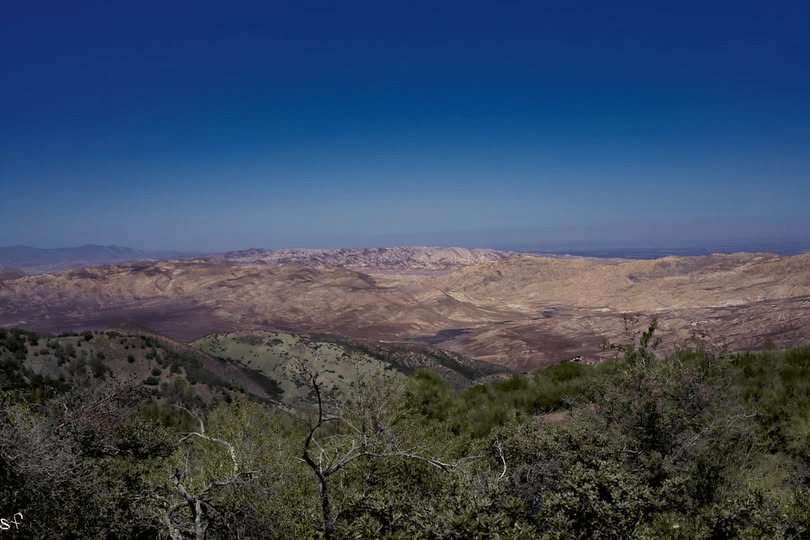
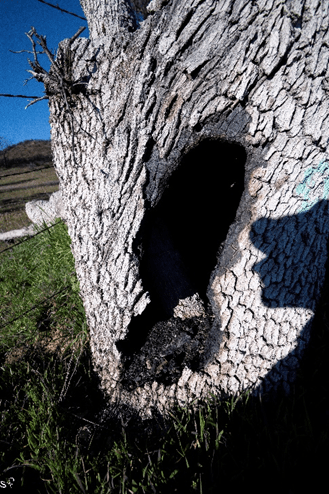
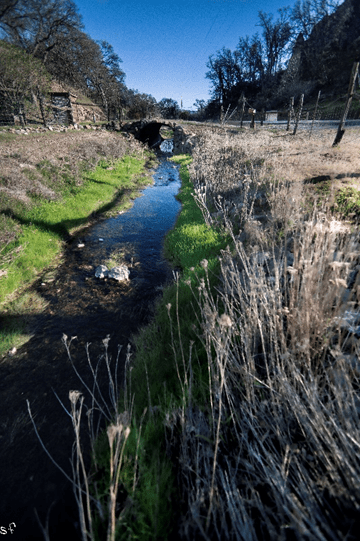
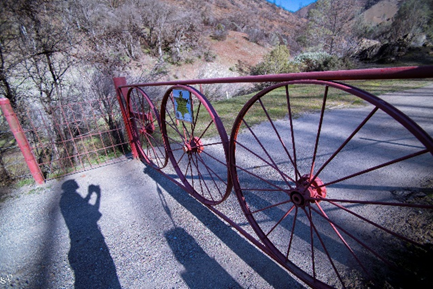
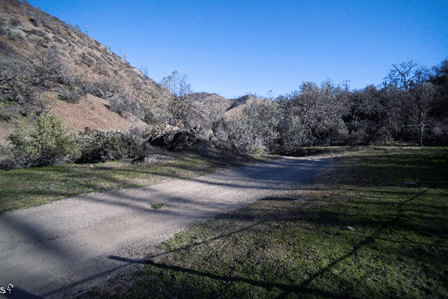
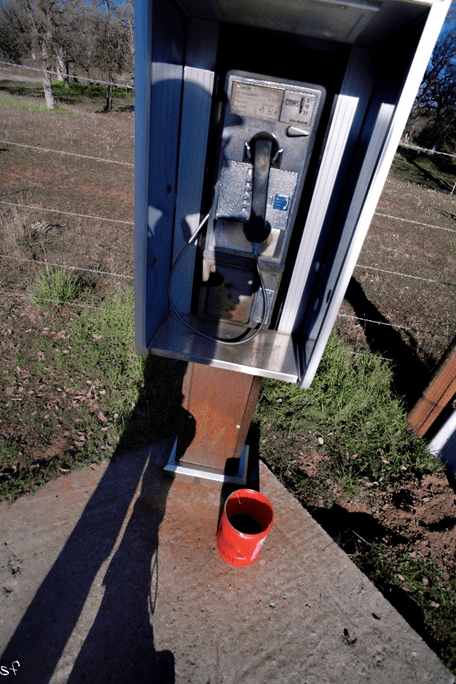
The Three Trees below mark the trail I’m on with sparse groves of surreal black and white oak. I glance over my shoulder, the sun drops lower, I’ve been walking over an hour, although I can’t be sure, there’s no cell phone out here and my only time is the clock back in the car. Normally, I have a good sense of it, but I’m beginning to feel the weight of the afternoon telling me that my body isn’t what it used to be, back when missing a night’s sleep was the beginning of a proper adventure. I’ve been covering some ground and I’m good for more, keeping in mind that wherever I end up is my halfway point and the rocks are still nowhere in sight. Now I’m kicking myself for not asking Ranger Tom more questions like: what do you mean by “the long end of 3 miles”? Or are there any landmarks to look out for? I’ll give it another half an hour but no more, not unless I want to be walking in the dark.
 imagicos